Dr. Denti
Dr. Denti
WhatsApp Free Consultation
photo
Check-Up Packages

Check-Up

What is a Check-Up?

Check-Up is a health screening that aims to detect possible diseases at an early stage and to take precautions, taking into account the age, hereditary structure and environmental factors. Having a check-up enables early diagnosis of diseases that are difficult to treat in advanced stages, so that treatment can be started as soon as possible.

Personalized Check-Up Program is applied for the diagnosis and treatment of possible diseases and risks, which are created according to age and gender. In line with the results obtained with this method called “Health Risk Assessment”, your necessary guidance and controls are carried out in a short time.

Our Check Up consultants accompanying our guests in Check Up units in hospitals and medical centres follow the process with a system that minimizes patient circulation.

What Does Check Up Cover?

Check-up is not an examination consisting only of analysis and examination. The examinations performed after the disease occurs are also not check-ups. During the check-up, not only the laboratory tests of the patient are examined and evaluated, but better evaluations can be made with the interviews with the patient before the check-up.

Check-up is an evaluation made in accordance with the doctor’s interview with the patient, laboratory and radiological examinations. The health status of the patient is evaluated, taking into account the life, diet, habits and familial risks of the person.

According to the check-up results, the patient is informed about the issues that should be done and should be considered. If a condition is diagnosed or the patient has a health problem, the patient is directed to the right department.

Why Should You Have It?

Your risks that could turn into a disease in the future can be determined. It plays an important role in the early diagnosis of your diseases.
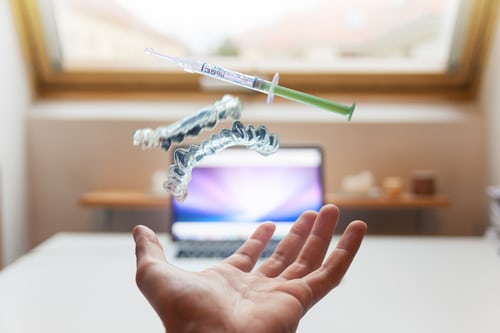
check-up in Turkey
Check-Up Programs

How to Check-Up? How much will it take?

For check-up, you first need to make an appointment at a hospital or medical center that has been checked up. The doctor responsible for the check-up asks questions about the medications you use and the diseases you have had before. Accordingly, the scope of the check-up is determined, and the doctor informs the person if there are any medications that should be used or discontinued before the check-up.

On the day of the appointment, when you come to the check-up center on an empty stomach (with a hunger for 8-10 hours), blood and urine tests are taken, and imaging methods such as heart electrode (ECG), lung film, abdominal ultrasound are used. Tests such as mammography and PSA test are performed according to the age and gender of the person. Endoscopic examinations can be planned over the age of 50.

Check-up time may differ depending on the panel content. Your results are ready on the same day and / or on the following days depending on the examinations in the check-up panel.

For women between the ages of 20 – 40;

It is recommended to have a general health examination, basic blood tests, urine analysis, chest radiography, breast examination and gynaecological examination once a year.

For Men Between the ages of 20 – 40;

It is recommended to have a general health examination, basic blood tests, urine analysis and chest radiography once a year.

For Women Over 40;

It is recommended to have a general health examination, basic blood tests, urine analysis, ECG, chest radiography, mammography, fecal occult blood test, gynaecological examination annually.

For Men Over 40;

Annual general health examination, basic blood tests, urine analysis, ECG, chest X-ray, stool occult blood test, urological examination are recommended.

For Women and Men Over 50;

After the age of 50, in addition to the above controls, both women and men should have colonoscopy and endoscopy at frequencies determined according to risk groups and perform periodic follow-up according to the result, even if they do not have any complaints. On the other hand, men should apply to the urology department during this period and have their prostate-specific examinations and tests done.

Remember that people who smoke, have a family history, have health problems such as diabetes or high blood pressure, in addition to the above controls, should have a Stress ECG and cardiology control at the age of 40 and after 2 years at the latest.

VIP Check-up Programs
VIP Check up programs

Check Up Preparation

Since the examinations to be applied to you require some preparation, we kindly ask you to consider the following suggestions. If you follow these suggestions, it will ensure that the procedures go quickly, the waiting time between examinations is shortened and the examinations are completed in the most accurate way.

On the day of the transaction, depending on your preparation status and the density of the departments, the changes that may occur during the program will be communicated to you by the check-up officials.

For laboratory tests, approximately 12-14 hours of fasting is required before taking blood. Water is allowed, but cigarettes, sugar, chewing gum and foods containing caffeine should not be used. We ask our paediatric patients to come as hungry as possible.

One day before the appointment, alcohol should not be consumed and light foods should be consumed at dinner.

If your program includes abdomen ultrasound, you must be hungry and your bladder must be full (urge to urinate). For this reason, we recommend that you start drinking water at the appropriate time on the day of your transactions, in line with the instructions of the check-up authorities, and not to urinate after you start drinking water.

If your program includes a Stress ECG test, it is recommended that you bring a towel, spare athlete, sportswear and sports shoes.

For our female patients; if your program includes mammography, we kindly request you to take a shower and not to use creams, perfumes and similar materials. It is appropriate to shoot between the 3rd and 10th days of the menstrual period.

If you have medicines that you use regularly, you can continue taking them before your check-up. Do not forget to specify the medications you use in your consultation with the doctor.

Please bring your old test results with you, if available.

Check Up Programs

It is planned according to the age, gender, genetic characteristics, lifestyle, past health history of the person. Risk factors of the person are also taken into consideration. For example, while screening is important in terms of prostate cancer in middle-aged men, breast and uterine screenings are gaining importance in middle-aged women. Screening programs can be applied to people who are prone to various diseases.

Women General Check Up, Male General Check Up, Child Check Up and Child Heart Health Check Up, Always Young Geriatrics Check Up, Heart and Lung Screening Programs, Diabetes Panel, Oncological Nutrition Programs and Diet Programs.

Can disease risks be eliminated with check-up?

Many environmental and lifestyle risks other than genetic risks can be eliminated or reduced. Not only examinations, but also a detailed background, query of familial risks, examination and self-examination information should be provided to the patient.

The risks (including the treatment risks) increase exponentially once the disease has arisen. The most rational way of dealing with the disease is to take measures with regular health checks.

Who Should Have Check Up? Why is it important for a healthy person to have a check up once a year?

It is very important for a healthy person to have a check-up once a year, especially in understanding the risks that do not cause early symptoms, that is, they do not cause clinical complaints. Risks can be elucidated by both laboratory tests and a detailed medical history query and examination.

The person is informed in this way and is directed to lead a more risk-free life. The annual health check is important for your physician to compare the results from the previous year and to monitor changes and risks in your health.

From adulthood, even if you do not have any complaints or concerns, you can prevent possible diseases with the health check you will have once a year.

The Role of Check-Up in Early Detection of Diseases

  • If the disease can be caught at a stage where it has not yet manifested with regular health screenings, measures can be taken before many diseases reach advanced stages.
  • Our lifestyle has changed a lot in the last few centuries. Toxins, ionizing radiation and refined foods are risk factors for many diseases, especially cancer. With check-up, measures can be taken before the disease occurs, against increasing disease risks.
  • Cardiovascular diseases can be caught and eradicated or treated at an early stage.
  • With check-up programs created according to risk factors such as genetics, gender, age, and race, the early signs of these risks can be evaluated.
  • Self-examination training can be given during check-up.
  • Oral cancers can be prevented with a dental examination.
  • A dietician is encouraged to make positive changes in the diet.

Contact Us

Please call us for detailed information and prices about our check-up packages. Phone & Whatsapp: +905443480787

Our consultants will provide you with the most appropriate options after receiving the necessary information from you.

dental phobia

What is Dentist Fear – Dental Phobia?

What is Dental Phobia? Why Is A Person Afraid Of The Dentist?

Dentist fear (dental phobia) is observed in the vast majority of people who delay tooth extraction. Fear of dentists causes the patient to postpone dental checks and not have tooth extractions.

What is dental phobia and why does it occur?

Dental phobia is of two types. In the first option, we can give examples of the bad traumatic events that the patient has experienced. In a second option, we can show the doctor’s indifference to the patient. This indifference will create insecurity in the patient. However, the first substance is more common in these patients.

dentist or dental phobia

The person may have been afraid of teeth with the events told by his elders since his childhood. Environmental events greatly affect the person. In this case, the dentist should give the patient morale and motivation and the treatment should relax the patient.

What is the Importance of a Dental Phobia of Dentists?

Patients with dentophobia seek more confidence in dental treatments than other patients. Because these patients have what they have experienced and their fears. In this case, dentists play a big role.

If the communication between the patient and the doctor is good and safe, the patient will overcome this phobia. The patient who overcomes his phobia will also be provided with a more comfortable treatment without pain.

During the treatment, the patient can be relaxed with comfortable or classical music. If the dentist informs and talks to the patient during the treatment, the patient will feel more comfortable.

How to overcome the dental phobia?

In order to overcome the fear of the dentist, the person must first be determined and aware of the necessity of having his treatments. Then, the unreasonableness of fear should be understood in a coordinated and determined manner with the physician.

With today’s technologies, the aches and pains that can be felt in the dental chair are almost completely eliminated. With superficial anesthesia in the form of a spray applied before the needle, the pain from the needle is prevented.

What Kind of Suggestions Can Be Given to People With Dental Phobia?

You should have your dental treatment done by the dentist you trust. Then, you should tell your dentist about all your complaints at the diagnosis stage.

  • Patients should choose a dentist who makes them feel safe, relaxed and caring.
  • Before starting the treatment or examination, patients should definitely tell their dentists that they are afraid of dentists. Especially stating exactly what the feared element is makes it easier for the dentist to comfort the patient.
  • Before starting the treatment, patients may ask their dentists to explain step by step the procedures to be performed. Most of the time, the fact that every procedure to be performed is known by the patient can reduce or even disappear the fear in question. Therefore, the examination or treatment process is completed with a very comfortable process for the patient.
  • Many dental treatments can be paused if the patient needs it. Therefore, you can discuss the matter with your dentist and ask your dentist to pause the treatment if you need it.
  • Trying to stay calm and breathing deeply can help you get away from stress and tension.
  • It will be beneficial to try to make your appointment in the morning hours as much as possible. In this way, before the stress and intensity of the day accumulates, you will ensure that your treatment is performed in a quieter period.
  • If you have a phobia that will cause heart palpitations and respiratory distress, you can take a sedative medication prescribed by your doctor, provided that you consult your doctor and your dentist does not mind.
  • If more than one treatment is required, it will be beneficial to apply the shortest treatment first. It would be much more correct to discontinue long-term treatments.
  • Do not hesitate to ask your dentist any questions you may have. Having knowledge about the procedures done does not increase your fear as you might think, on the contrary, it helps to decrease it.
  • It is also observed that patients who regularly go to dental checks get rid of the problem of fear of dentists more easily. For this reason, instead of considering this fear as a ‘fate’, you should learn the ways to cope with this fear and never hinder your dental controls.
  • We can state that all treatment methods and technologies used in dentistry are based on increasing the comfort of the patient. Therefore, painful dental treatments you heard in childhood are a thing of the past. Nowadays, it is not possible for the patient to experience severe pain during any treatment because the treated area is numbed. In this way, the treatment process is completed without the patient feeling any pain, aches, or cramps.
  • You do not have to worry about the pain that may be experienced after the treatment. Pain medications prescribed by your dentist can control the pain that may be experienced.

Take all the stress out of your mind. A calm and stress-free treatment will be more successful. You may not want to finish the treatment to be applied in a single session. Have your dental checks constantly. This way, your fear will pass.

If Fear of the Dentist is inevitable?

Despite all the methods applied, in patients who cannot provide the necessary communication, it may be necessary to bring the patient to a semi-conscious state or calm down by administering various medications through the vascular access.

dental phobia in turkey

However, since this method carries risks in terms of health, it is best to solve the problem with cooperation before reaching this point. Methods such as hypnosis, breathing exercises, and aromatherapy used by some physicians are also current methods that can be used to overcome dentophobia.

What Are the Anesthesia Options?

Your dentist can provide safe anesthesia options to help you feel calm and comfortable. These;

Local Anesthesia: Local anesthesia is the most frequently used method in dentistry applications to increase patient comfort, diagnose and control the source of pain, and reduce bleeding.

Sedation: It is a method of intravenous administration of drugs required to relieve, calm down and relieve the fears of the patient in minor surgical interventions with the support of local anesthesia, painless interventions that will aid diagnosis and investigative procedures.

General Anesthesia: Temporary loss of consciousness, loss of pain sensation (analgesia), removal of reflexes and immobility are provided without any change in vital functions of the patient.

Don’t Let Your Dental Phobia Affect Your Dental Health!

To protect oral and dental health and to detect possible discomfort at an early stage, you need to go to dental checks regularly. However, even if the patients with dentist phobia do not neglect their oral and dental health, their controls are disrupted.

This leads to the progression of possible problems, and therefore the treatment process can be both more difficult and longer. It should not be forgotten that this phobia affects dental health negatively.

After the patient is seated in the dental treatment chair, indecision about the fear of the dentist during the treatment may cause the patient or the physician to abandon the treatment and when the patient is allowed to go, the problems caused by the teeth may increase and the patient may have to go to the dentist more often. In this case, the patient may have to undergo much more various procedures.

Today, technology has advanced considerably, our physicians will apply more comfortable and comfortable treatment to you with our advancing technology and expert academic staff.

Would you like to see our price list for Dental Treatment? Then call +90 (544) 348-0787 for quick contact and appointment.

Dental Implants Cost in Turkey

How much do dental implants cost?

When our patients call our clinic for their treatment, the first question we are usually asked is “How much do dental implants cost?”

Questions about implant surgery costs, type of surgery or postoperative pain or procedure success rates are more frequent than questions about our doctor’s experience.

We want you to know that; we absolutely understand you. We know how difficult it can be to balance all needs, but dental implants may be more affordable than you think. Before we talk about prices, we would like to look at the cost of dental implants as an investment rather than an expense and also recommend that you consider the long-term pros.

Are dental implants the best for me?

First of all, we must answer the following 3 questions to find out whether dental implants are the best choice for a healthy mouth and a natural looking smile.

1. Do you want the most natural looking smile? When a correct dental implant is applied by an experienced dentist, it can adapt to the entire mouth and work like a natural tooth. In some cases, other preferred options instead of implants may prevent you from eating daily, talking or smiling.

2. Do you want a smooth smile? Dental implants will allow you to naturally bite all food, eat whatever you want, and brush your teeth normally. While eating on dentures or other options, you may feel discomfort and have trouble with cleaning and odor. A good dentist can offer you the most suitable and different options with safe dental implants.

3. What would a smile look like that won’t embarrass you? After dental implants are applied, they are fixed in the teeth built on them. This means your teeth won’t move, make noise or slip, which gives you the confidence to smile naturally. Your dentures may slip while eating, talking, or laughing, and this can be a problem for you.

If you said “Yes” to one or more of the questions, then dental implants will definitely be the right choice for you.

How much do dental implants cost?

No patient or implant treatments applied to them are alike. Here, the patient’s bone level, age, oral care, number of appointments, procedures step in and change costs according to the person.

Do not forget that dental implants will stay with you for a very long time, even for a lifetime. More importantly, you should want to use a certified implant and a specialist dentist to use your dental implants for a long time.

Other options other than implants may seem less costly to you, but you will continue to pay this cost over and over and the treatment will actually cost you more compared to dental implants.

When researching prices for dental implants, you can see extremely low prices in advertisements. This may sound too good to be true to you.

Then you should ask the right dentist the right questions? What is the brand of implant to be used? Does the dental implant have a certificate and what are the warranty terms? Are bone augmentation, tooth extraction, abutment, temporary tooth included? Where was the implant manufactured?

Your dentist will be happy to answer these questions. If he is not answering and you are in doubt then you should change your doctor. Because they will welcome you at surprising prices.

Getting the right answers is both safe for you and an indication that you will be offered the best treatment option.

dental implants cost
Dental Implant

After the initial consultation and evaluation, your dentist will provide you with a plan that includes all the materials to be used, your appointment numbers and all costs. If there is any change during the process, it should definitely inform you. You should be especially careful about quotes received after “online consultation“. The standard plan, prepared with a one-size-fits-all price procedure, may bring you a much higher cost than it appears.

You are asked if you want to get needed dental treatment in Turkey is a very important question. The first and most important question is do you have a “Health Tourism Authorization Certificate” by the Ministry of Health? Because it is necessary to have the mandate to care for patients from abroad in Turkey. Clinics and agencies that have passed the inspections of the Ministry and have the appropriate quality score can only get this certificate.

What is the cost of dental implants in Turkey?

Price research for our clients seeking dental treatment in Turkey, we advise you to be careful while.

1. Please be wary of low price offers and ask your questions. These prices cover only implant placement and ignore other requirements… (anesthesia, x-ray, tomography, abutment, sinus lift, membrane, tooth extraction etc…)

2. Make sure to make sure what is included in the price when comparing the offers.

3 in Turkey in terms of example; The cost of an implant + an abutment + a crown ranges from € 500 to € 1500.

Are the Costs of Dental Implants Covered by Insurance?

What is the cost of dental implants with insurance? The answer to this question depends on your dental plan. Some of your insurance plans are included for dental implants but do not cover other costs. For this reason, you should check your insurance companies before taking the necessary steps for implant treatment.

Would you like to see our price list for Dental Treatment and Dental implants? Then call +90 (544) 348-0787 for quick contact and appointment.

Diabetes and Oral Health

Diabetes and Oral Health

Diabetes is a metabolic disease that primarily concerns carbohydrates, protein and fat metabolism. Diabetes is a chronic metabolic disease that increases blood sugar levels and can cause damage to important organs such as kidney, heart and eyes due to changes in vessels and nerves. It shows itself by the constant high blood sugar.

The main metabolic disorder in diabetic patients is the inability of glucose (sugar) transported through the blood to enter the cells. Under normal circumstances, glucose, which is obtained from foods or released into the blood from the stores in the liver, enters the cell with the help of the insulin hormone secreted by the pancreas and is burned there and transformed into energy.

The most common change in the mouth in diabetic patients is dry mouth. Dryness, burning, taste disturbance occurs in the mouths of uncontrolled diabetics. In addition, with the increase of glucose in the salivary glands and gums in the mouth, the bacterial flora living in the mouth is affected, and accordingly, fungal infections, gingivitis and inflammation of the tissues surrounding the tooth (periodontitis) are common. It is known that the risk of all bacterial infections increases in diabetes.

Is there a relationship between gum disease and diabetes?

Most of the approximately 21 million Americans with diabetes are surprised when they hear of an unexpected complication with their gums. Studies have shown a high incidence of gum disease among people with diabetes, and gum disease has been added to the list of other diabetes-related complications such as heart disease, stroke and kidney disease.

Well, “everything is mutual”?

New studies reveal that the relationship between gum disease and diabetes is mutual. Both people with diabetes are more prone to gum disease, and gum disease has the potential to affect blood sugar control and contribute to the progression of diabetes. Studies show that people with diabetes have a higher risk of oral health problems such as gingivitis (early gum disease) and periodontitis (severe / established gum disease).

People with diabetes have an increased risk of gum disease because they are generally more susceptible to bacterial infection and have reduced ability to fight bacteria that invade the gums.

The regularly published United States Department of Health Oral Health Report states that good oral health is an important part of overall health. Therefore, be sure to brush your teeth properly, floss your teeth and go to your dentist for regular check-ups.

Diabetes and Dental Implant

What are the Oral and Dental Problems That May Occur in Diabetes? How Should it be Solution and Prevention?

Daily dental care and periodic dental exams are an integral part of maintaining general body health. Oral and dental symptoms may indicate diabetes. Every year, a significant number of new diabetes is recognized by dentists. Uncontrolled diabetes can adversely affect oral and dental health as well as organs such as heart, kidney and eyes. Oral and dental problems that can be seen in people with diabetes include:

  • Dry Mouth
  • Fungal infections in the mouth, thrush
  • Gingival diseases
  • Dental caries

Dry mouth; It is the disappearance of the effect of saliva washing the teeth and facilitating chewing due to the darkening of the saliva and the decrease in the amount of saliva in patients with diabetes. Low saliva can lead to the development of plaque by sticking to the tooth surface of food and then the formation of tartar. Dry mouth may cause the patient to feel pain, delay the healing of wounds and increase inflammation and loss of teeth as a result. If dry mouth cannot be prevented, the mouth should be rinsed frequently or artificial saliva preparations recommended by the dentist can be used.

Diabetic patients are susceptible to fungal infections in the mouth due to the high sugar in their saliva. This problem manifests itself in cracks and redness at the joints of the lips. Smoking and not removing prostheses from the mouth at night can accelerate fungal growth. Medicines are used in the treatment of fungal infections in the mouth. Care should be taken to clean the prostheses and must be removed at night. Smoking should not be used

Since high blood sugar level causes thickening and congestion in blood vessels, the nutrition of tissues is negatively affected as the oxygen carrying capacity of the blood decreases. This causes the gums to separate and recede from the teeth.

Small pockets formed between the tooth and the gum over time allow the development of new bacteria foci and the event progresses to tooth loss. During this process, the patient feels pain and shaking in the teeth, bleeding in the gums and bad smell in the mouth. Oral inflammations, which can often accompany these events, make sugar control difficult and the event becomes a vicious circle. Advanced gingivitis can only be cured by surgical intervention.

In diabetic patients with uncontrolled blood sugar, high sugar level in saliva invites bacteria and bruises easily occur.

Suggestions for Diabetes Patients on Oral and Dental Health

In order to prevent gum disease, first of all, a good sugar control and regular oral care are necessary.

Teeth should be brushed at least 2 times a day for 2 minutes. Due to the presence of snacks in diabetics, the number of brushing may need to be increased. A soft brush should be used. The top of the tongue should also be brushed.

Flossing should be used at least once a day to remove bacteria between teeth. After the procedure, the mouth should be rinsed with water and the gum should not be pressed too much while the dental floss is placed between the teeth.

In cases with common caries and gum problems, the dentist should be consulted.

In order to protect oral health, in addition to brushing teeth and using dental floss, it is necessary to go through a dentist check every six months.

Does Diabetes Prevent Tooth and Gum Treatments?

Diabetes itself and the use of insulin do not constitute an obstacle or danger for oral interventions. Diabetics can easily take antibiotic treatment if necessary.

It is necessary to have a health check before serious dental interventions in patients with poorly controlled diabetes. If blood sugar is high due to bleeding and infection, tooth extraction and gum interventions should be done after sugar control, if possible.

In Which Case Should You Consult A Dentist With Diabetes?

Gingival bleeding during brushing or eating,
Redness, pain, tenderness, swelling in the gums,
Receding gums,
Dental stones,
Sensitivity in teeth,
Changes in position and wobbling in teeth,
Bad smell and taste in the mouth,
Tooth decay

In diabetic patients; It will be easier and more enjoyable to maintain oral health and live with your own teeth with controlled nutrition, regular medication use, non-negligent mouth cleaning and dentist controls.

If I Have Diabetes, Am I At Risk For Gum Problems?

If your blood sugar levels are not well controlled, you are at a higher risk of developing gum disease and losing teeth than non-diabetics. As with all infections, gum disease can be a factor in high blood sugar and can make diabetes control difficult.

Other oral problems associated with diabetes include: thrush, the type of infection caused by a fungus growing in the mouth, and dry mouth that can cause ulcers, infections, and bruises.

What Can I Do to Prevent Diabetes-Related Dental Problems?

First of all, check your blood sugar level regularly. Take care of your teeth and gums and go to your dentist for regular check-ups every six months. To control thrush, which is a fungal infection, maintain good diabetic control, avoid smoking, and remove and clean your dentures every day, if you have them. Good blood sugar control can also prevent or alleviate dry mouth caused by diabetes.

What Can I Expect During My Check? Should I Tell My Specialist Dentist About My Diabetes?

People with diabetes have special needs and your dentist is well equipped to meet these needs with your help. Notify your dentist of any changes in your condition and any medication you may be taking. Postpone non-urgent dental procedures if blood sugar is not well controlled.

Do you know that Type 2 Diabetes Disease can be treated surgically?
Click for detailed information about Transit Bipartition Surgery or contact us on our whatsapp line.

Dental Implant Turkey

Dental Implant Turkey

Dental Implant – It’s like your natural teeth

Are you missing a dental cavity or a few teeth in your mouth? Do not want to have your teeth cut or use removable dentures?

If your answer is “yes”, then implant treatment  offers you a very comfortable solution.

What is a Dental Implant?

Thanks to dental implants, daily needs such as chewing with pleasure or smiling beautifully are as close to your natural teeth.

Thanks to modern technologies and quality materials, dental implants are not lagging behind natural teeth in neither functionality nor aesthetics.

Despite all the advances in oral and dental health, many people suffer from tooth loss, mostly due to tooth decay, periodental disease or injury. For many years, bridges and dentures were the only treatment options available to people with missing teeth. However, today there is a brand new, more reliable, more aesthetic and more permanent method.

Dental implants are replacement tooth roots. Implants provide a strong foundation for fixed (permanent) or removable artificial teeth made to fit your natural teeth. In other words, a dental implant is an artificial tooth “root” that is placed artificially in your mouth to support dental prostheses such as dentures or bridges. They are screws made of tissue-friendly titanium and placed in the jawbone that serve as a root for the missing tooth.

What are the Advantages of Dental Implants?

Dental implants have many advantages:

Dental implants look like your own teeth and create a natural tooth feeling for you. Moreover, they are permanent since they are designed to fuse with the bone. To put it a little further, when it comes to look and feel, the only difference between dental implants and real teeth is that they are not real teeth.

In unsuitable prostheses, the teeth may slip in the mouth and cause false pronunciation. Dental implants allow you to speak without worrying that teeth might slip.

The roots of your teeth are attached to your jaw like the root of a tree. When you lose a tooth, there is a gap where the root is located, and these roots are reconstructed with implant application.

Old-fashioned dentures often slip and make it difficult to chew and enjoy the food. Dental implants function like your natural teeth, allowing you to enjoy your favorite foods without any extra effort or pain. Allows better bite force than a person with traditional dentures.

That’s why dental implants can restore your smile and help you feel better about yourself.

Thanks to dental implants, it is not necessary to reduce or change the forms of neighboring teeth as in bridges. Since neighboring teeth are not changed to support the implant, your own teeth remain healthy in your mouth for a long time.

Implants allow you to have new teeth without damaging the neighboring tooth with the abutment / abutment that acts as a natural dental skeleton placed on them. Individual implants also increase oral hygiene, providing easy access between teeth.

Dental implants can be used for a long time or even a lifetime when oral hygiene rules are followed.

dental implant turkey
Dental Implant in Turkey

What is the Success Rate in Implant Treatment?

Success rates of dental implants vary depending on where the jaw is placed in, but overall, dental implants have a success rate of up to 99%. With proper care, you can use dental implants for a lifetime.

Is Dental Implant Suitable for Everyone?

Someone healthy enough to undergo a routine tooth extraction or oral surgery can often be considered suitable for a dental implant. It is necessary to have sufficient bones and healthy gums. Patients must undertake to pay attention to post-implant oral hygiene and to visit their dentist regularly.

Heavy smoking, diabetes or heart diseases, radiation treatments to the head / neck region should be evaluated individually on a patient basis for implant application. You should definitely talk to your dentist to find out if the implant application is suitable for you.

Does Insurance Cover Dental Implant Cost?

Generally, dental implants are not currently covered by dental insurance. Depending on your insurance plan and / or the cause of your tooth loss, there may be special coverage. You can direct your detailed questions about this subject to your insurance provider.

How Does Implant Treatment Start?

The first step in the dental implant process is the development of a personalized treatment plan. The plan is presented to you exclusively by your dentist to meet your medical needs.

The dental root implant, which has a small post made of titanium, is then inserted into the bone socket of the missing tooth. As the jaw bone heals, the implant clings securely to the jaw. After the implant is fully welded to the jawbone, it can be adapted to its upper structure. The superstructure, that is, the abutment, functions as the skeleton of the tooth. New teeth / teeth are made on this abutment.

Your dentist also matches the color of new teeth with your natural teeth. Because the implant is fixed to the jawbone, replacement teeth look, feel and function like your own natural teeth.

How Painful Is Implant Treatment?

Before the implant operation, the patient is mostly applied local, in some cases sedation or general anesthesia. Therefore, the patient does not feel any pain or pain during the surgical procedure. Patients undergoing local anesthesia may have mild pain after the anesthetic effect dissipates during the day. These pains are considered normal. This situation is eliminated by using the painkiller recommended by your dentist after the operation. When asked later, they say that this pain is similar to the pain experienced in normal tooth extraction.

How to Take Care of Dental Implants After Treatment?

After implant treatment, it is very important to pay attention to oral hygiene. Apart from routine tooth brushing, the implanted area should be cleaned by using special threads, interface brushes and mouth showers recommended by the physician. Another important point is to go to the controls regularly. The recommended control process is to go to the check-ups every 6 months in the first year and then annually. The most accurate guidance will be made by your physician.

Why should dental implants be preferred?

When you have to decide on the treatment option, you will usually find two alternatives: you will have to choose either the traditional alternative (eg full prosthesis) or the implantological treatment.

The negative factor in bridge construction is the cutting of neighboring teeth. In the prosthesis option; Results such as the closure of a large part of the soft gums by the prosthetic material and the later melting of the jawbone and a decrease in the retention of the prosthesis can be encountered.

Today, implants offer both more aesthetic and more functional alternatives.

Advantages of dental implants at a glance:

  • Healthy teeth do not need to be cut.
  • Crowns, bridges or prostheses are fixed to the jaw.
  • Chewing function and aesthetics are recreated
  • Premature bone destruction is prevented as it is not exposed to pressure.
  • Prosthetic possibilities are expanded, prosthesis is not foreign
  • The sense of speaking, eating, and taste, as with natural teeth
  • Increasing the quality of life for many years
  • Offers improved quality of life. It gives you more self-confidence.
  • You do not need adhesives.

If you cannot smile because of your missing teeth or discomfort dentures, smile by hearing that there is a treatment that can give you back your smile thanks to dental implants!

Get Free Quote Today! Phone & Whatsapp: +905443480787