


Aesthetic & Plastic Surgery
Hair Transplant for Women
- Published
- 7 min read
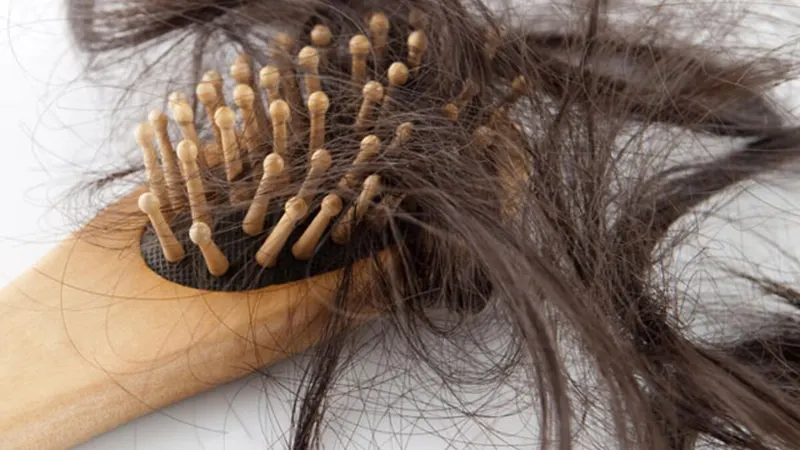
In the hair transplant sector, not only men but also women complain about hair loss, and women make a considerable number of hair transplant requests. The point that worries women most about a hair transplant is that the procedure is significant and noticed by other people.
However, technologies and processes have developed. It has been shown that hair transplant methods have reached an advanced level in our country, in line with the statement that a hair transplant is not noticeable even the day after the procedure unless it is examined closely.
With the Unshaven Hair Transplant Method, the Hair Transplant Is Not Noticeable
Hair loss problems can sometimes be corrected by treating vitamin deficiencies, changing shampoo or using natural mask methods, but we are not always so lucky, and hair loss can become an unavoidable problem, with the following consequences:
• Baldness may develop because hair is lost in certain areas,
• This baldness can lead to an unpleasant, poor appearance,
• Women in particular may suffer psychological and aesthetic distress because of this appearance.
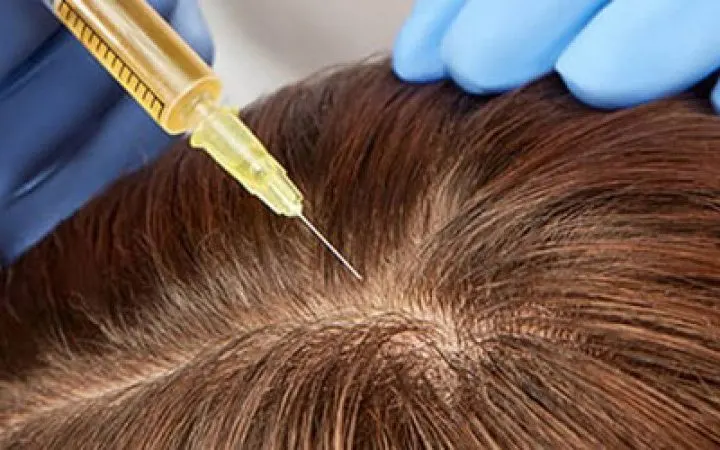
What Causes Hair Loss in Women?
Hair loss in women can have many causes, depending on many factors. The main ones are:
• One cause of hair loss in women is genetic and hereditary. It is known as androgenetic alopecia.
• Hair loss can be seen as a side effect of frequently followed diets that are not supervised by an expert, and of malnutrition. To avoid this, you should choose a diet supervised by a dietitian.
• One of the most common problems women face is vitamin B12 deficiency and iron deficiency due to pregnancy. Iron deficiency in particular causes anaemia, and anaemia leads to a lack of haemoglobin in our blood cells. A lack of haemoglobin reduces the transport of oxygen to our hair follicle cells, and hair loss results.
• Hormones are another important cause. The hormonal changes women go through during their lives cause hair loss problems later on. Hair loss, which generally affects 25% of women, rises to 50% when the menopause begins. During the menopause, the hormone DHT prevents the hair from receiving the nutrients it needs to grow, causing the hair follicles to weaken and die.
Because the causes of hair loss in women differ from those in men, the success rate of hair transplants in women is generally lower, but with the right approach a success rate of 99% can be reached.
Diagnosing Hair Loss
Although hair loss is perceived as similar in women and men, in many respects it has different causes. In men, hair loss is usually seen on the crown and the forehead, whereas women lose hair all over the head.
While hair loss can be detected more easily in men, it is harder to detect in women, so a specialist examination is needed.
Because the causes of hair loss in women are different, the success rate of hair transplants is generally lower. For a hair transplant in women to succeed, very careful planning is therefore needed.
How Successful Is Hair Transplant in Women?
As is well known, a hair transplant can be carried out with the FUE or DHI methods. Although every hair transplant is planned individually, it is very important to plan specifically for women.
In this sense, it is possible to regain lost hair by consulting doctors who specialise in hair transplants for women, and the success rate can reach 99%.
How Is Hair Transplant Treatment Carried Out in Women?
For women who complain of hair loss, the causes must first be identified by experts. Once the cause of the hair loss has been determined, planning of the hair transplant begins.
As part of this planning, detailed information about the advantages and disadvantages of the hair transplant methods is given during the consultation, and the most suitable method is chosen together with the patient. Methods used for hair transplants in women:
• The hair transplant can be carried out with the FUE method (unshaven)
• The hair transplant can also be carried out with the DHI technique (unshaven or long hair).
Once the decision has been made, the hair transplant is started and the transplantation is completed. During this process, redness and scabs appear for a while. However, this is temporary.
The FUE Method in Hair Transplant
Hair transplants in women are carried out with several techniques. One example consists of collecting hair follicles from the donor area and adding them where needed. We call this the unshaven FUE method. Its steps are:
• In the first step, the donor area is determined.
• The hair follicles are collected one by one from this donor area.
• Channels are opened in the area where the hair is falling out, and the hair follicles placed in these channels are transplanted.
The nape of the neck, where the hair follicles are stronger and denser, is the preferred donor area. Because the follicles taken from the nape will be covered by long hair, no gaps will show and there will be no unattractive appearance.
The DHI Hair Transplant Method
The information given at the start and all the techniques considered during planning are explained to the male or female patient who will have the hair transplant, and the preferred method is chosen. The DHI options are:
• Unshaven hair transplant: In this method, unlike a normal hair transplant, the area to be transplanted is not shaved; only the part of the donor area from which the hair follicles will be taken is shaved. Because the shaved part of the nape will be hidden by the hair, it will not be visible after the hair transplant. The unshaven hair transplant method has made hair transplants in women faster and more effective.
• Long hair transplant: In this method, nothing is shaved, including the donor area. After disinfection, the hair stays long and the hair transplant is completed carefully without shaving the area to be transplanted.
How Do Hair Transplant Sessions Work?
For hair transplant sessions, the examination that determines the cause of the hair loss comes first; then the planning phase begins, a suitable day is set and the hair transplant session takes place. A hair transplant in women is usually done in a single session.
Two days after the session, you need to go to the hospital or clinic for a general check-up and a dressing change, but no hospital stay is needed during the hair transplant process. The gaps between the transplanted area and the existing hair are filled with hair follicles, with the aim of a thick, full head of hair.
After a Hair Transplant in Women
Because a hair transplant in women is done in a single session, the areas that need hair are filled at the end of procedures that take a few hours, and the process is complete; you can then leave without a hospital stay and go on with your normal life.
However, mild swelling, redness and scabbing after the transplant are normal and temporary. If redness and swelling last a long time, it is advisable to consult a specialist. Once these symptoms, which last a few days on average, have passed, daily life goes on.
Is a Hair Transplant Painful for Women?
During the hair transplant procedure, the specialists use local anaesthesia to prevent pain, so you usually feel no pain during the procedure.
Later, the gaps between the hairs will start to fill in with hair follicles, and during this filling-in you may feel slight itching and pain for 1 week.


Next step
Start planning your visit
Choose how you would like to start. One coordinator follows your case from your first message to your return home.
- Get a Free Quote
Free quote
Share your details and receive a written plan.
Message us
Ask a question through our contact page.
Contact UsHow it works
See each step from first contact to follow-up.
See the Process
Prefer to talk now?
Send your details and we reply within 48 hours with a written plan that lists the costs and accommodation.